
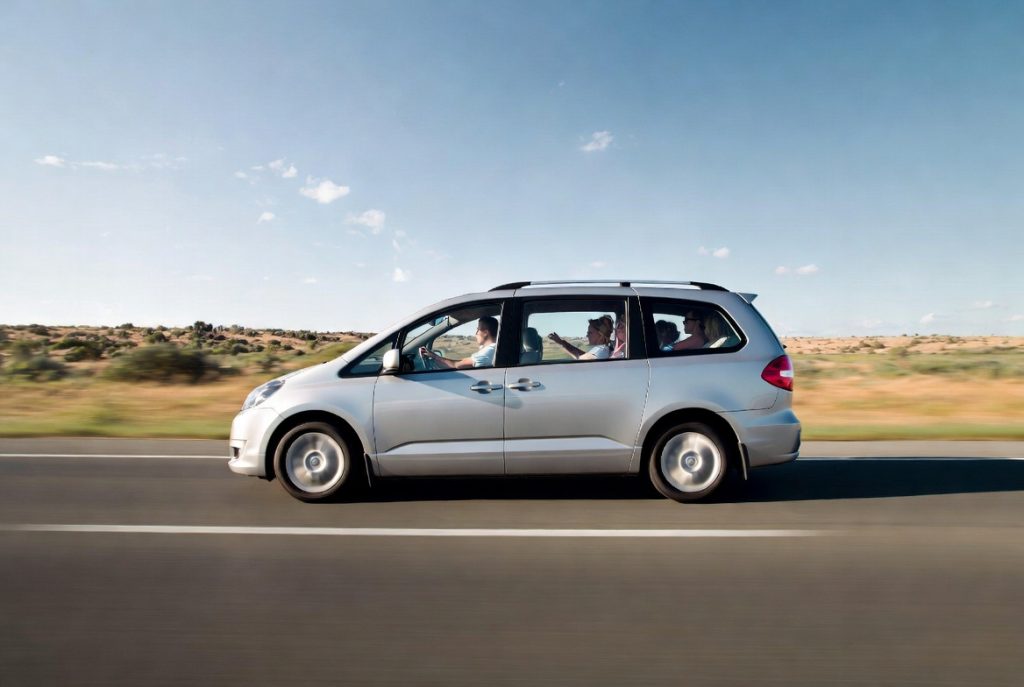
Your auto policy gets you towed. It doesn’t get your family back home. The handoff between what auto insurance covers and what trip insurance, credit card benefits, and roadside contracts handle is messier than it should be — and the gap is most visible at 7 p.m. on a Thursday evening, in an unfamiliar town, when the repair shop says your car won’t be ready until Monday.
Where Auto Coverage Ends
Standard auto insurance covers the vehicle. Comprehensive pays if it’s stolen or damaged by a non-collision event. Collision pays if you hit something or something hits you. Roadside assistance pays for the tow and the immediate service call. Rental reimbursement pays for a replacement vehicle while yours is being repaired, up to a daily limit and a maximum number of days.
What auto insurance doesn’t cover: your hotel for four nights while the repair is completed. Your rental car meals and incidentals. The nonrefundable vacation rental you’ve already paid for at the destination. The flights you had to book to get your family home while the car stays behind. The kennel fees for the dog you couldn’t take with you anymore. The missed activities or reservations at your destination. None of these are auto insurance claims. They’re trip losses.
The confusion arises because rental reimbursement sounds like trip support. It isn’t. It’s a functional replacement for the vehicle so you can continue your daily life, not a reimbursement for the costs of the disrupted trip. Most rental reimbursement policies have a daily cap of $30–$50 and don’t cover incidentals.
What Trip Insurance Picks Up
A standard travel insurance policy — the kind you’d buy when booking a vacation — can cover trip interruption, trip cancellation, and travel delay. Trip interruption is the relevant category when a mechanical breakdown strands you mid-trip.
Trip interruption coverage typically reimburses: additional transportation costs (rebooking flights or trains), additional accommodations, and a portion of nonrefundable trip costs that you can no longer use due to the disruption. The key phrase is “additional” — it covers costs above and beyond what you would have spent on an uninterrupted trip. It doesn’t double-reimburse with your auto policy; the two cover different losses.
Trip delay coverage — often a component of the same policy — kicks in when you’re delayed for a covered reason for more than a defined threshold (typically 6–12 hours) and reimburses reasonable meals, lodging, and incidentals during the delay period. If you’re stuck in a repair shop town waiting for a part, this is the coverage that pays for the hotel and the dinners.
Mechanical breakdown is typically a covered cause for trip interruption in travel insurance policies, though some policies require that the vehicle be less than a certain age or have passed a recent inspection. Read the covered perils section.
What Credit Cards Actually Cover
Many premium travel credit cards include trip interruption and trip delay protection as a built-in benefit when you purchase the trip (or a portion of it) with the card. The coverage amounts vary significantly: some cards cap trip interruption at $2,000–$5,000 per trip; others at $10,000 or more. Trip delay coverage typically starts at 6–12 hours of delay and reimburses $200–$500 per day for meals and lodging.
The critical nuance: credit card travel benefits apply to “common carrier” trips — flights, trains, cruise ships. They often do not apply to personal vehicle road trips where the disruption is a mechanical breakdown of your own car. Check your card’s benefit guide specifically for personal vehicle coverage language before you assume your card has you covered on a family road trip.
Cards that do cover personal vehicle breakdowns as a travel delay trigger (some premium cards do) typically require that the card was used to purchase a hotel or rental along the route, establishing the trip as a “covered trip” under the policy. The details matter.
How to Stack Them Intentionally
The goal is to have no uncovered gap between what your auto policy handles and what the broader trip disruption costs. Here’s how to build that intentionally:
Layer 1 — Auto policy: Roadside assistance (tow + service call) + rental reimbursement (replacement vehicle for daily function). This is your baseline.
Layer 2 — Credit card travel benefit: Review your card’s benefit guide before a long trip. If it covers personal vehicle breakdowns, note the delay threshold and maximum benefit. If it doesn’t, note the gap.
Layer 3 — Trip interruption insurance: Consider purchasing a travel policy for any trip where the nonrefundable exposure (vacation rental, concert tickets, activities) is significant. The cost is typically 5–10% of the insured trip value. For a $3,000 vacation, that’s $150–$300 — meaningful protection against a $3,000 loss.
The three layers don’t fully overlap. Your auto policy covers the car; your credit card may cover delay costs above a threshold; travel insurance covers nonrefundable trip expenses. Coordinate them rather than assuming one handles everything.
What to Do This Week
- Pull your auto policy and note your rental reimbursement daily limit and total maximum. If it’s $30/day for 30 days, you have $900 of rental coverage — likely not enough for a serious repair situation.
- Read your primary credit card’s benefit guide — specifically the trip delay and trip interruption sections. Note whether personal vehicle breakdowns are a covered cause.
- Before your next family trip with significant nonrefundable bookings, price a travel insurance policy. You don’t need the most expensive option; you need the trip interruption and delay benefit that applies to road trips.
- Ask your carrier whether your roadside assistance benefit includes trip interruption benefits — some premium roadside packages include modest hotel and meal reimbursement on top of the tow.
Ready to put this to work? Pull your rental reimbursement limit from your declarations page and compare it against a realistic roadside delay scenario — or run a fresh quote to see whether your current coverage structure is optimized for a family that takes regular road trips.
Last modified: April 20, 2026
About the Author: Alex Morgan