
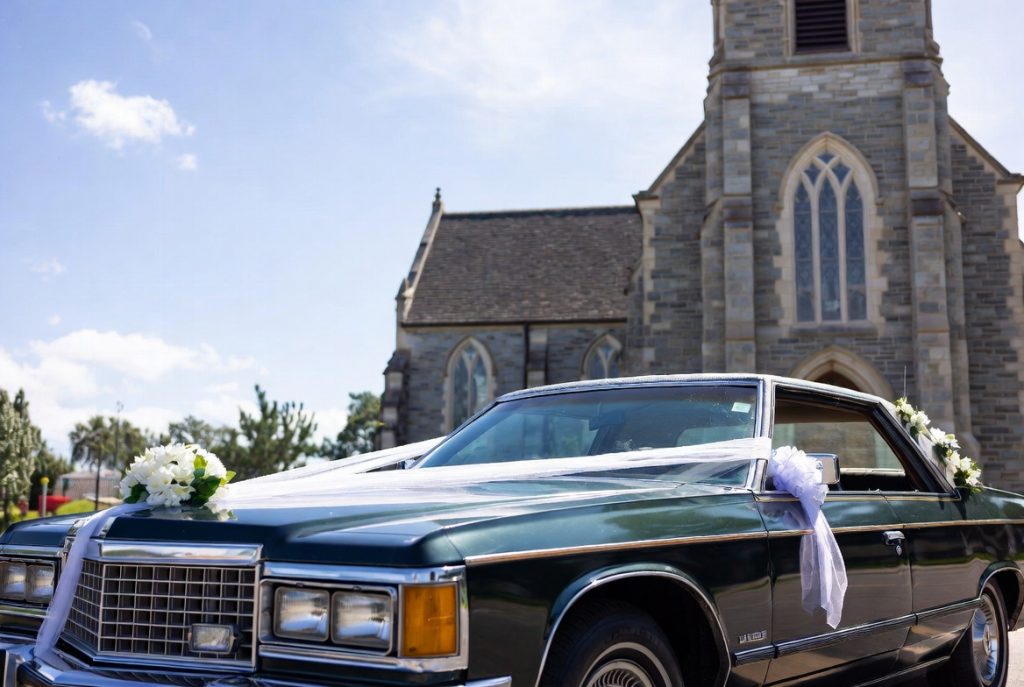
Renting a classic car for a wedding, lending the family minivan for the rehearsal, or hiring a friend with a van to shuttle relatives — every one of these has a slightly different insurance answer. The common thread is that weddings generate exactly the kind of informal, one-off transportation arrangements that fall into the gray zones of personal auto policies. This is a week to clarify, not assume.
Here’s how the coverage actually works across each scenario.
Rented Classic Cars
Classic car rentals for weddings operate differently from standard rental car transactions. The rental company carries its own insurance on the vehicle — which is standard — but the question is whether your personal auto policy extends to it, and whether the rental company’s contract limits or overrides your coverage.
Most personal auto policies extend liability coverage to a rented vehicle, but comprehensive and collision coverage may not apply to a specialty or classic vehicle. Many standard carriers explicitly exclude rental vehicles with an actual cash value above a certain threshold — sometimes $50,000, sometimes less. A 1967 Mustang or a restored vintage Rolls can easily exceed that.
Before you rent: call your carrier with the rental company’s name and vehicle year/make, ask specifically whether comp and collision extend, and if not, purchase the rental company’s damage waiver. The premium for the damage waiver on a specialty vehicle rental is usually $40–$100 for the day — worth every dollar.
Family Vehicles on Loan
Lending your minivan or SUV to a family member or close friend for a wedding weekend falls under permissive use. Your policy covers a permissive driver — someone you’ve given explicit or implied permission to drive — using your vehicle for purposes consistent with the permission granted.
What this means practically: if your sister borrows your Sienna to transport guests from the hotel to the venue, your policy is primary if there’s an accident. Your deductible applies. Your claim history gets the event. The coverage works, but the cost of a claim lands on you.
One limitation to know: some policies include a “named driver” exclusion or a permissive use sub-limit. If your policy has reduced liability limits for permissive users — usually 20–25% of your standard limits — confirm that amount before you hand over the keys to an unlisted driver taking six passengers.
Paid Drivers — When Commercial Coverage Starts Mattering
Here is where families regularly get this wrong. A friend who “volunteers” to drive relatives from the airport to the hotel in their personal vehicle is one thing. A friend who accepts payment — even informally, even just reimbursement plus gas — for that same role is now operating in commercial territory, and their personal auto policy may not cover a paid transportation arrangement.
Commercial auto coverage is required any time a vehicle is used for hire. The line isn’t subtle: if money changes hands for the transportation service, personal auto policies typically exclude the event. Your friend’s $300 informal shuttle service could leave him with a coverage gap if an accident happens en route.
If you’re hiring a transportation vendor — a car service, a limo company, a shuttle bus — confirm they carry commercial auto liability. Ask for a certificate of insurance before the wedding week. The minimum you want to see is $1 million in commercial liability. Reputable vendors carry this; informal vendors often don’t.
A Wedding-Week Insurance Checklist
- Rented vehicles: Confirm with your carrier whether comp/coll extends to specialty rentals. If not, buy the damage waiver.
- Family loaners: Know your permissive use limits before lending. Check whether unlisted drivers carry a sub-limit.
- Paid transportation vendors: Require a certificate of commercial insurance. Don’t accept verbal assurances.
- Informal paid drivers: Know that payment converts personal transportation into commercial transportation. Adjust accordingly or structure the arrangement differently.
- Non-owned auto coverage: If you’re driving a rented or borrowed vehicle yourself, non-owned auto coverage (often available as a rider) fills gaps your personal policy doesn’t cover on vehicles you don’t own.
What to Do This Week
If you have a family event involving non-standard vehicle arrangements in the next 60 days, make one call to your agent with a plain-language description of who is driving what and whether any money is exchanging hands. That conversation takes 15 minutes and resolves most of the ambiguity before it becomes a problem.
Ready to put this to work? Pull your current declarations page and compare it against these benchmarks — or run a fresh quote to see where the market has moved since your last renewal.
Last modified: April 28, 2026
About the Author: Alex Morgan