
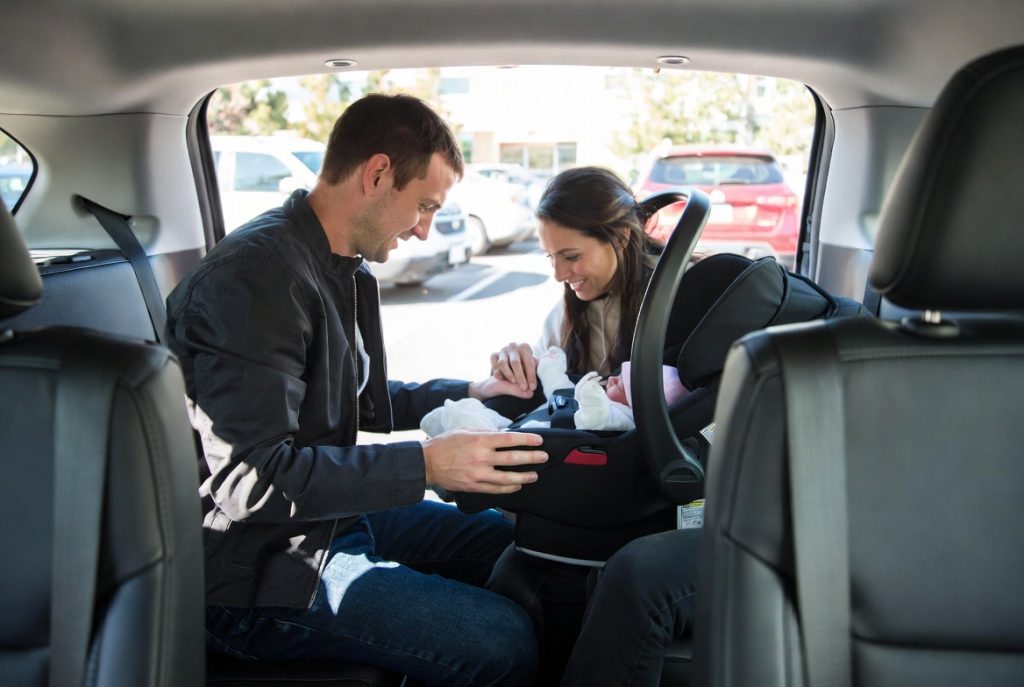
The drive home from the hospital is statistically the most anxious five-mile trip many parents will ever take. Here’s a tight checklist for the insurance, the install, and the everything else.
Most of the anxiety around the first drive home is appropriate — you’re transporting someone who cannot advocate for themselves, in a machine traveling at speeds that require training and attention. The good news is that this particular trip is also the most prepared-for trip you’ll ever take. You’ve had nine months of lead time. Use it.
Insurance Check Before the Due Date
Here’s the straightforward answer to the question many new parents ask: you do not need to add a newborn to your auto insurance policy. Auto insurance covers drivers and vehicles — not passengers. Your baby is covered as a passenger under your existing liability and medical payments coverage the same way any passenger would be. No action required, no call to make.
What you should check before the due date is your own coverage posture. If your household is carrying minimum liability limits because you haven’t had reason to revisit them since your first car purchase, now is a reasonable moment to look. A family with a newborn has more to protect than a single adult on a starter policy. Review your liability limits and confirm you have medical payments (MedPay) or personal injury protection (PIP) on your policy — these cover your own passengers in an accident regardless of fault, and they’re typically inexpensive.
Also confirm your health insurance coverage starts on day one for the baby — many plans require a 30-day enrollment window, and a delay in health coverage is far more consequential than any auto policy question.
Car Seat Install and Inspection
Infant carrier seats should be installed rear-facing in the back seat before you leave for the hospital — not in the hospital parking lot after discharge. The practical reason is time and stress; the safety reason is that a rushed install is frequently an incorrect install.
According to NHTSA, roughly 46 percent of car seats are installed incorrectly — most commonly with too much slack in the base, incorrect recline angle, or improper harness routing. Infant carriers have a recline indicator built into the base; it exists because the angle affects airway safety for a newborn, not just crash protection.
Every state offers free car seat inspection stations through fire departments, hospitals, or certified Child Passenger Safety Technicians (CPSTs). The National Highway Traffic Safety Administration maintains a locator at nhtsa.gov. A free 15-minute inspection by a certified technician is worth scheduling two to three weeks before your due date. Don’t wait until the day before discharge.
Expiration dates
Infant car seats expire — typically 6 to 10 years from manufacture, not purchase date. The date is printed on the bottom or back of the seat, or molded into the plastic. Used or gifted seats should be verified: confirm the expiration date, confirm no history of crash involvement, and confirm all original parts are present. A seat that was in a collision, even a minor one, should be replaced.
The Drive Itself: Four Small Habits
Don’t drive looking in the mirror. If you need to check on the baby, pull over. A rear-facing infant in the back seat cannot be seen through the standard rearview mirror anyway — what you see is the back of the seat. Some families use a baby mirror accessory for occasional glances; the more important habit is accepting that you cannot see the baby while driving and that this is normal and safe.
Keep the trip short if possible. Newborns in semi-reclined car seats should not be in that position for more than two hours continuously, per American Academy of Pediatrics guidance. For most discharge drives, this is irrelevant. For families who live a significant distance from the hospital, plan at least one stop.
Temperature-check the seat before you put the baby in. In summer, a car seat left in a hot vehicle can reach surface temperatures that cause burns in seconds. Run the A/C for a few minutes and check the harness hardware before placing the infant in the seat.
Both parents don’t need to be in the back seat. Many new parents have one adult sit next to the baby and one adult drive. This is fine — but the adult in the back seat should be belted, and their job is to monitor, not to hold the baby. The harness does the holding.
After You’re Home
Once home, the insurance action item that does apply to a newborn is on the health side — confirm enrollment and effective date. On the auto side, the next relevant moment is when your child is old enough to be left in a vehicle, which raises different questions about liability, particularly in states with child hot-car laws.
The practical thing you can do now on the auto insurance side is schedule a policy review for six months out. A new child changes your household’s financial exposure and is a natural moment to reassess liability limits, add umbrella coverage, and make sure your policy reflects your actual life.
What to Do This Week
Schedule the free car seat inspection. Confirm the seat is installed before week 37. Check your MedPay or PIP coverage on your current declarations page. And give yourself permission to not worry about the auto insurance question — it’s the one item on the new-parent list that genuinely doesn’t require action.
Ready to put this to work? Pull your current declarations page and compare it against these benchmarks — or run a fresh quote to see where the market has moved since your last renewal.
Last modified: March 11, 2026
About the Author: Alex Morgan